REAL
THE EXPERIENCE. People genuinely feel a presence in the room, genuinely lose time, genuinely report lucid awareness during cardiac arrest. Taking the report seriously is the first honesty of the method.
Nothing here is supernatural. Some of it is real, and that is what is frightening.
A speculative archive on the occult. Each topic is split into three layers: the phenomenon (what people report), the explanation (what science measured) and the claim (what is asserted beyond that).
The method before the content. Every item in this archive carries a seal — REAL, THEORETICAL, SPECULATIVE, NO EVIDENCE, FICTION or FRAUD — and is read in two voices at once: the claim in serif, the measurement in the margin in cyan monospace.
THE EXPERIENCE. People genuinely feel a presence in the room, genuinely lose time, genuinely report lucid awareness during cardiac arrest. Taking the report seriously is the first honesty of the method.
THE EXPLANATION. There is often a measurable cause: sleep paralysis, infrasound, pareidolia, placebo, cognitive bias. Where science has measured, we state what and how.
THE CLAIM. Everything asserted beyond what was measured. Here the rigor is maximal: who claims, when, with what evidence, and what happened when others attempted to replicate.
last verified: 07/2026
The expanded version of this chapter is part of the full PDF dossier. Coming soon.The natural explanation, when it exists, is more interesting than the supernatural one.
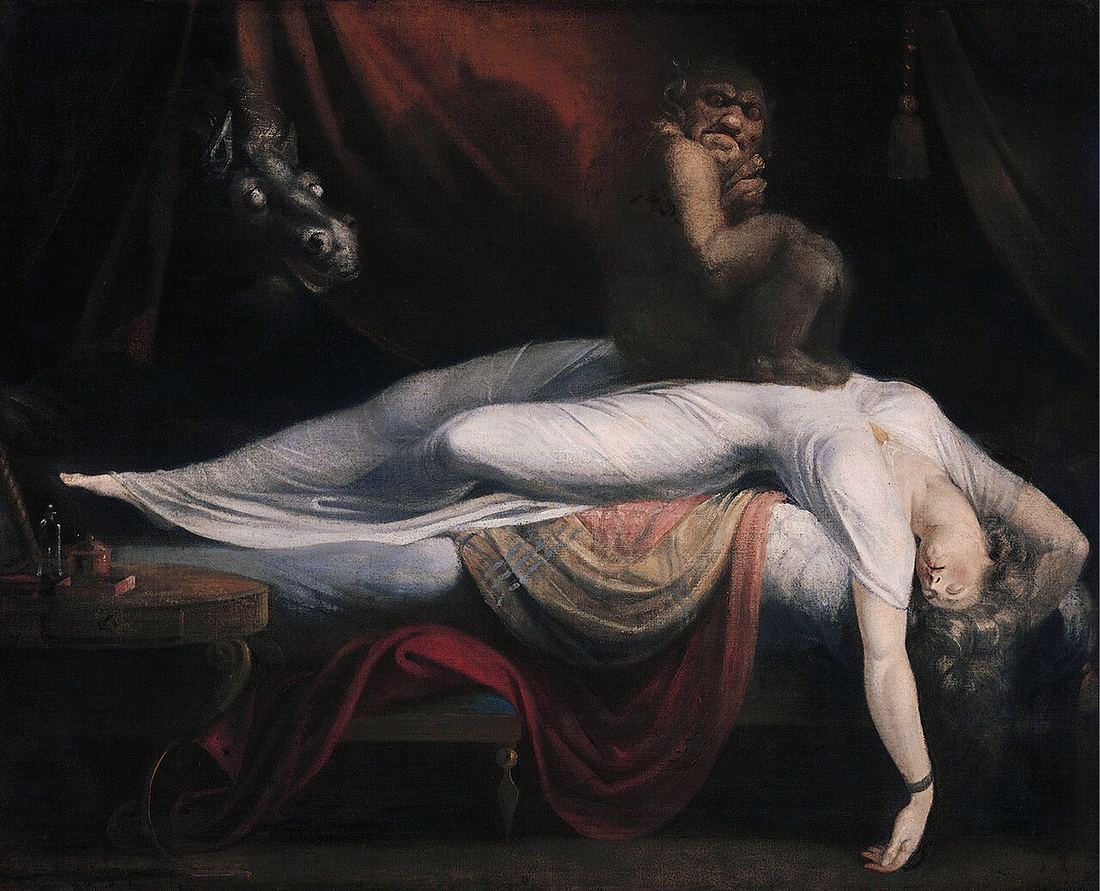
Sleep paralysis. Awareness during REM muscular atonia: sense of presence, pressure on the chest, inability to move or speak. It is transcultural — pisadeira in Brazil, the Anglo Old Hag, Japanese kanashibari, jinn in Arab contexts.
Infrasound. Vic Tandy, 1998, Journal of the Society for Psychical Research, “The Ghost in the Machine”: a lab fan producing ~18.9 Hz caused a sense of presence and peripheral visual distortion. Tandy identified the phenomenon after himself “seeing” a figure.
Pareidolia and apophenia. The cognitive basis of EVP, faces in photographs and figures in low-light images. The brain is a pattern machine that errs on the side of finding too many.
Placebo and nocebo effect. Measurable, with neurobiological correlates. Includes open-label placebo, studied by Ted Kaptchuk at Harvard: effect persists even when the patient knows they are taking placebo.
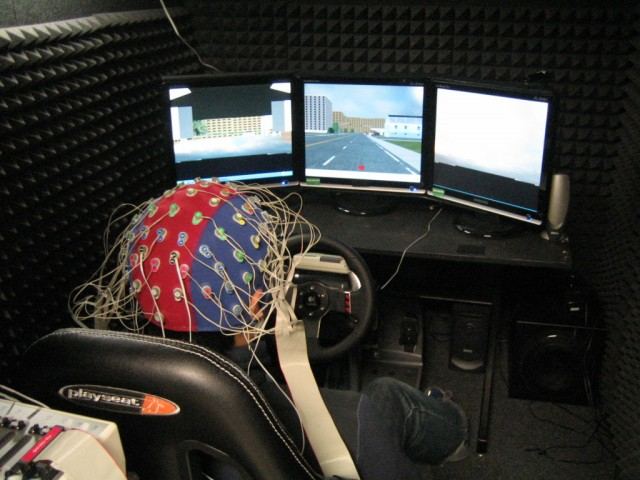
Persinger effect / “God Helmet”. Weak transcranial magnetic stimulation allegedly inducing a sense of presence. Granqvist et al. (2005) attributed the effects to participant suggestibility, not to the field.
Ergot poisoning at Salem. Hypothesis by Linnda Caporael (1976), Science. Contested by historians. Log it as a debated hypothesis, not an established explanation.
Mass psychogenic illness. Strasbourg dancing plague (1518), Tanganyika (1962), Le Roy, New York (2011).
Spontaneous human combustion. As a supernatural phenomenon: fraud. As forensic chemistry: real, explained by the wick effect, demonstrated experimentally.
Where an explanation exists, it is the explanation that respects the experience — precisely because it takes it seriously enough to investigate it.
last verified: 07/2026
The expanded version of this chapter is part of the full PDF dossier. Coming soon.Near-death experiences and what AWARE II found. Recent, serious, honestly inconclusive — and for that reason the most important item in this archive.
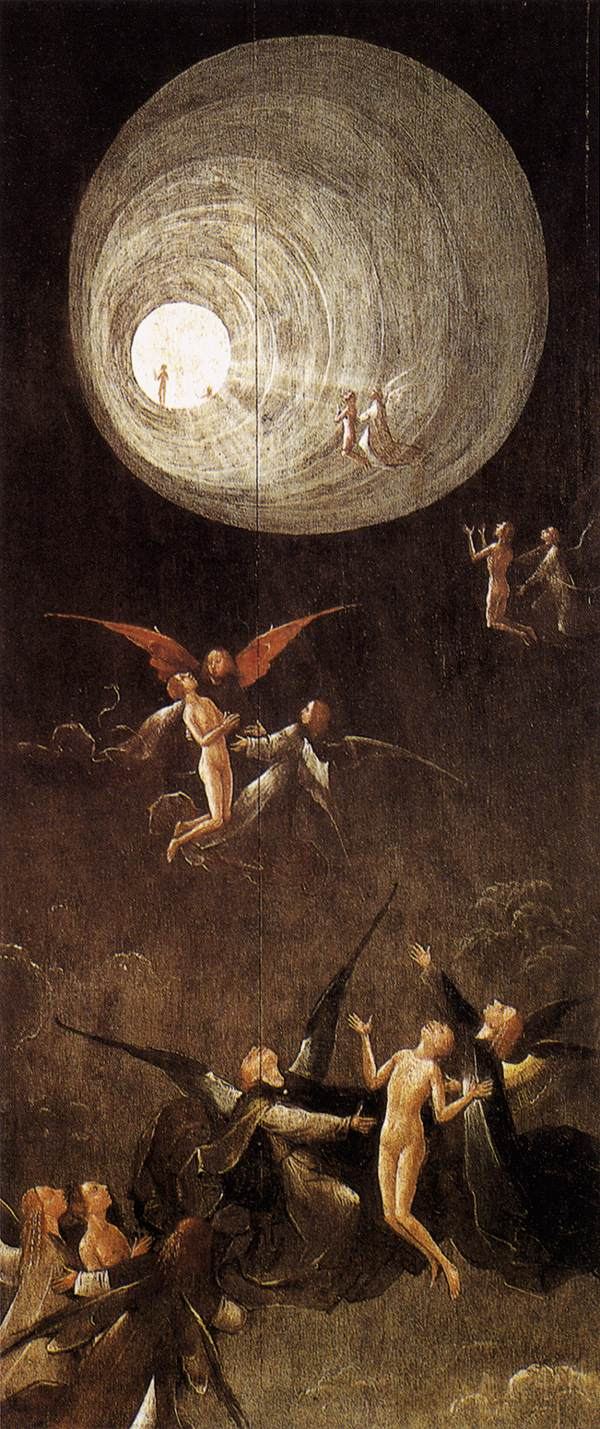
AWARE II. AWAreness during REsuscitation II, led by Sam Parnia (NYU Langone), Resuscitation, presented at the AHA Scientific Sessions in Chicago, 6 November 2022. 25 hospitals across the US and UK, 567 patients with in-hospital cardiac arrest between May 2017 and March 2020.
Brain activity after flatline. In the EEG-monitored subset (n=85), nearly 40% showed brain activity returning to normal or near-normal from a flatline state, in some cases 35 to 60 minutes into CPR, with gamma, delta, theta, alpha and beta peaks, despite marked cerebral ischemia (mean rSO₂ 43%).
Experience categories (subsample n=28): emergence from coma during CPR (2/28, 7.1%), post-resuscitation emergence (2/28, 7.1%), dreamlike experiences (3/28, 10.7%) and Recalled Experience of Death — RED — (6/28, 21.4%). A cross-sectional arm of 126 community survivors added a fifth: delusions misattributing real medical events.
The datum almost no other site cites: the hidden audiovisual test — designed to check out-of-body perception — did not produce confirmation. No one identified the hidden visual image; only 1 in 28 (3.5%) identified the auditory stimulus.
Distressing NDEs. Popular narrative keeps only the tunnel of light and the peace, but a substantial share of reports is terrifying: existential void, sense of annihilation, “hellish” landscapes, hostile presences. Bruce Greyson and Nancy Evans Bush (Psychiatry, 1992, “Distressing Near-Death Experiences”) described three recurring types: (1) inverse — the same elements of the so-called positive NDEs lived as terror; (2) void — the perception that nothing exists and never did; (3) hellish — explicitly condemnatory imagery.
Under-reported prevalence. Later reviews (Bush & Greyson, Missouri Medicine, 2014) estimate distressing NDEs at roughly 23% of all reported NDEs in samples where the interviewer is explicitly neutral. The figure drops to near zero in samples collected by researchers committed to the thesis that NDEs are always benign — which is a collection bias, not an absence of the phenomenon.
Explanation, not verdict. The same physiological hypotheses invoked for positive NDEs — hypoxia, gamma surge, endorphin release, paralimbic activity under ischemia — are compatible with negative affective valence: a failing brain does not select a pleasant plot. Nothing here is supernatural, nothing here is punishment. The report of hell is real as experience; hell as a place is not among the things measurement reaches.
The endogenous DMT hypothesis. Rick Strassman (DMT: The Spirit Molecule, 2001) proposed that N,N-dimethyltryptamine — an endogenous psychedelic detected in trace amounts in mammalian brains — would be massively released by the pineal gland at the moment of death, producing the near-death experience. The claim is popular in psychedelic culture, but Strassman is explicit: it is speculation, not a finding. The human pineal has never been caught synthesizing DMT in relevant quantity in vivo.
What has actually been measured. Dean et al. (Scientific Reports, 2019, “Biosynthesis and Extracellular Concentrations of N,N-dimethyltryptamine in the Rat Brain”) detected DMT in rat cortex at concentrations comparable to serotonin, rising after induced cardiac arrest. It is the best available biochemical evidence for the hypothesis — and it is in rat, not human, and shows presence, not that the molecule is a sufficient cause of the NDE.
Phenomenological comparison DMT × NDE. Timmermann et al. (Frontiers in Psychology, 2018, “DMT Models the Near-Death Experience”) applied the Greyson NDE Scale to 13 volunteers dosed with intravenous DMT: scores were statistically indistinguishable from a real-NDE sample. Strong overlap on “peace”, “out-of-body”, “bright light” and “sacred presence”; weak overlap on “life review” and “meeting known dead”. Phenomenological similarity does not prove mechanism identity, but it narrows the viable hypotheses.
DMT versus AWARE II: two banks of the same river. AWARE II’s finding is electrical — gamma surges in an ischemic brain, EEG returning to normal after flatline. The DMT hypothesis is chemical — a candidate molecule to modulate that state. Neither answers the metaphysical question about life after death. Both describe what the brain does while dying — not what happens afterward. Conflating description with destination is the popular mistake; separating the layers is the work of this archive.
The authors themselves conclude: research to date has neither proven nor refuted the reality or meaning of these experiences. It is a genuinely open question, and saying so is more honest and more interesting than closing it in either direction.
last verified: 07/2026
The expanded version of this chapter is part of the full PDF dossier. Coming soon.A century of serious attempts told as a chapter in the history of scientific method.
J.B. Rhine and the Zener cards, Duke, 1930s. Methodological flaws documented later.
Ganzfeld. Receiver with half-spheres over the eyes in a uniform visual field and white noise. Charles Honorton claimed support for psi; Ray Hyman (1985) delivered the critical appraisal; the joint Hyman–Honorton communiqué (1986) is a rare document of methodological agreement between skeptic and proponent.
Milton & Wiseman (1999). Meta-analysis of 30 studies from 7 independent labs following Honorton's strict guidelines. Failed to confirm the main effect. Conclusion: ganzfeld does not currently offer a replicable method to produce ESP in the laboratory.
Bem (2011), Journal of Personality and Social Psychology. Nine precognition experiments, eight with significant main effect. Catalyzed the replication crisis across psychology.
Ritchie, Wiseman & French (2012), PLOS One. Three independent preregistered replications of the retroactive recall facilitation effect — all failed. The authors reported considerable difficulty publishing the negative replication, a structural problem this archive names.
2025, PLOS One — Advanced Meta-experimental Protocol (AMP) and Transparent Psi Project (TPP). Three studies, 26,483 participants, 420,472 critical trials. Study 1 failed to replicate the precognition effect; an exploratory finding suggested an effect in the opposite direction. Study 2 confirmed in high-power design. Study 3 did not replicate Study 2. It is the most robust, most recent psi datum on record.
PEAR — Princeton Engineering Anomalies Research, directed by Robert Jahn. Large-scale replication attempts, including an international effort (Jahn et al., 2000), did not succeed. The lab closed in 2007.
Stargate Project (CIA/DIA, 1972–1995). Remote viewing. Declassified in 1995; the American Institutes for Research report was authored by Ray Hyman and Jessica Utts, whose assessments diverged. The program was ended for lack of demonstrated operational utility.
Over a century of laboratory research has not produced a replicable protocol. That is not the same as “proven not to exist” — it is “could not be demonstrated under controlled conditions”. The distance between those two sentences is what separates skepticism from dogma.
last verified: 07/2026
The expanded version of this chapter is part of the full PDF dossier. Coming soon.Cold reading, the Barnum effect, false memory, the ideomotor response: the cognitive architecture that produces and sustains the supernatural without needing it.
Barnum/Forer effect (1948). Generic descriptions feel intensely personal. The basis of behavioural astrology, tarot and personality reading.
Cold reading and hot reading. A documented method — reading visual cues, cascading responses and retroactive anchoring; hot reading is prior research on the sitter.
Elizabeth Loftus and false memory. The basis of “past-life regressions” and of the 1980s–90s Satanic Panic, which produced real convictions of innocent people.
Ideomotor effect. Described by Faraday in 1853 and earlier by Chevreul. Explains the Ouija board, dowsing and pendulum: unconscious micro-muscular motion.
Astrology. Shawn Carlson (1985), Nature: double-blind test with astrologers nominated by their own associations; performance at chance level. Confirmed by Geoffrey Dean's time-twin studies.
Crystals. Christopher French (2001): participants holding fake crystals reported the same effects as those with real quartz. Suggestion, not mineral.
Homeopathy. Shang et al. (2005), The Lancet, and the Australian NHMRC report (2015): no evidence of effect beyond placebo.
The three statistical mechanisms that sustain the perception of efficacy where there is no cause: (a) confirmation bias — the brain records the hits and discards the misses; (b) sampling fallacy — anyone searching for signal in noise will find some, because the sample is infinite; (c) regression to the mean — any intervention delivered at the worst moment appears to work, because the state tends to improve on its own. A medium, a crystal or a horoscope rides all three without needing anything else.
last verified: 07/2026
The expanded version of this chapter is part of the full PDF dossier. Coming soon.Standard file: claim · origin · investigation · status.
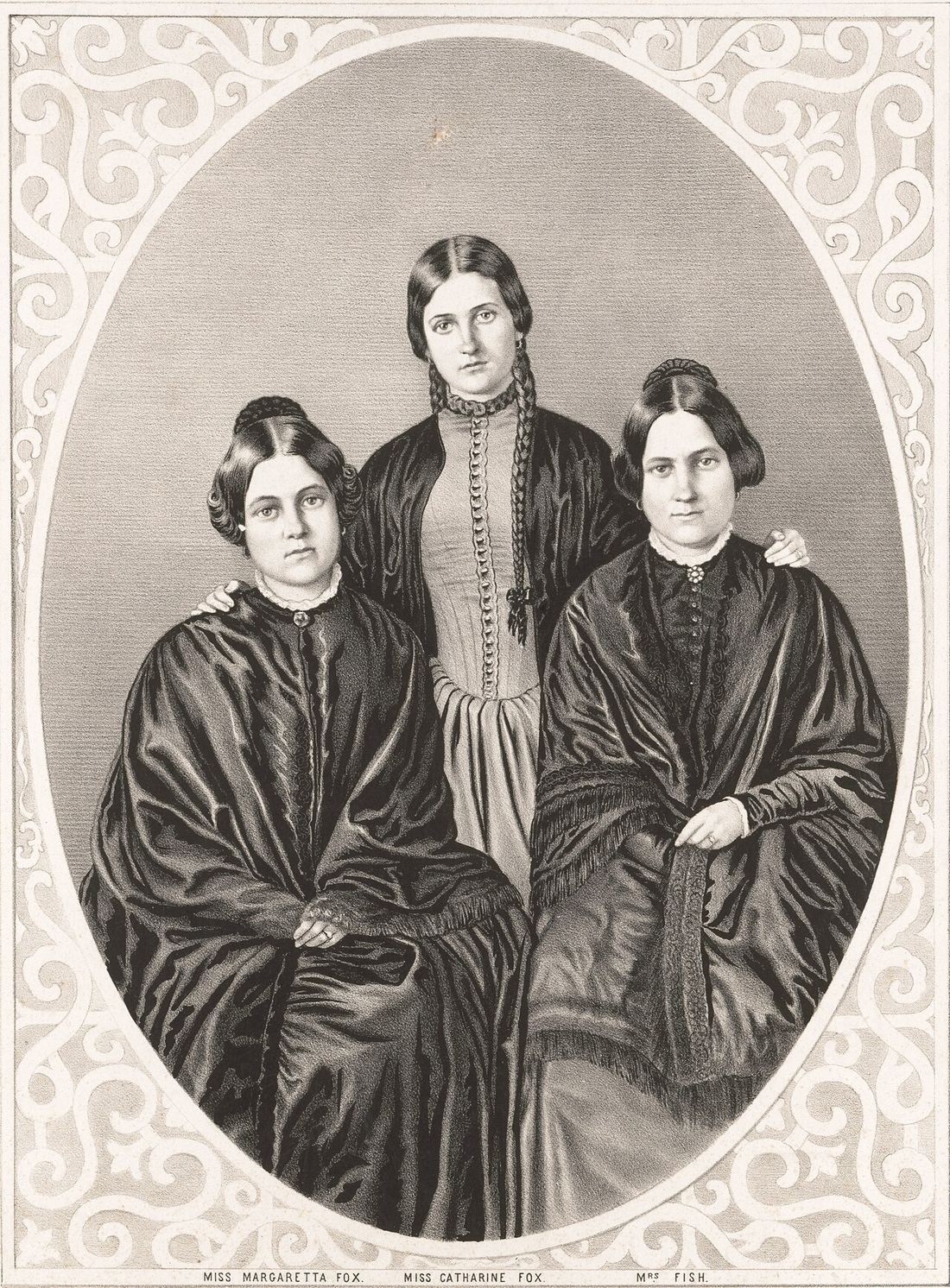
Fox sisters (1848). Foundation of modern spiritualism. Margaret Fox publicly confessed in 1888 that the rappings were produced by cracking her toe joints. A global religious movement was born of a fraud confessed by its own author.
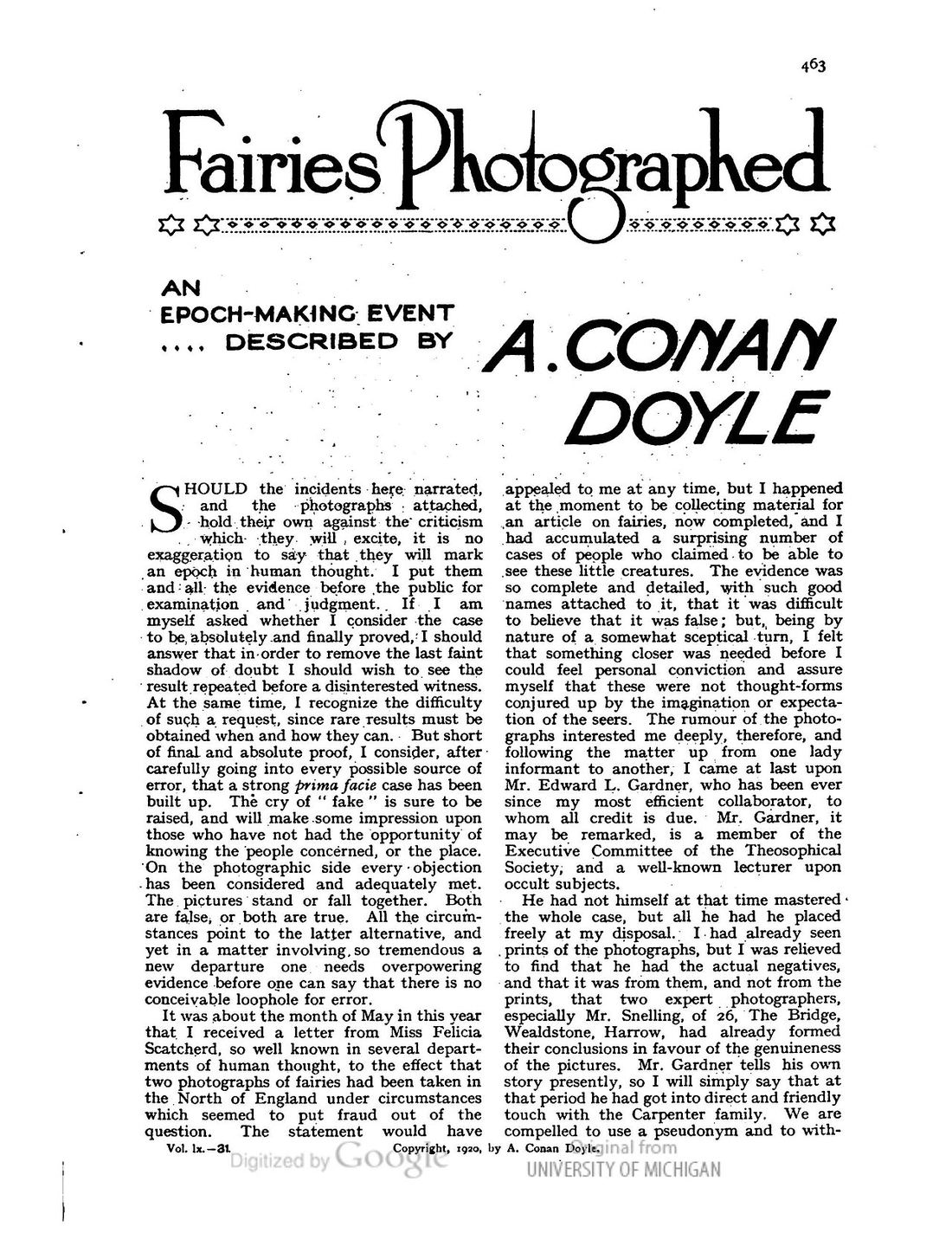
Cottingley Fairies (1917). Elsie Wright and Frances Griffiths confessed in 1983; Arthur Conan Doyle believed and published.
Helena Blavatsky. The Hodgson Report of the Society for Psychical Research (1885) documented systematic fraud.
Uri Geller. James Randi, The Truth About Uri Geller; the Tonight Show episode (1973), when the props were swapped without warning.
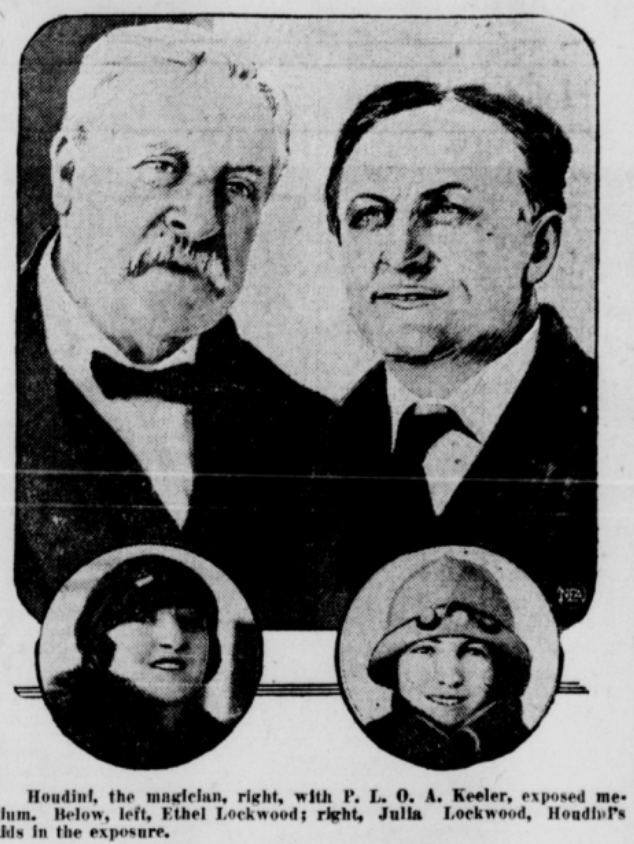
James Randi — the million-dollar prize challenge (1996–2015), never claimed; and Project Alpha (1979–1981), which infiltrated two young magicians into a parapsychology lab.
Amityville (1975). Attorney William Weber stated that the story was concocted with the Lutzes.
Enfield (1977). The children admitted to faking part of the events.
Ed and Lorraine Warren. The commercial basis of the Conjuring universe. Document the inconsistencies of the cases with the same seriousness one documents their popularity.
Carlos Castaneda. Sold as fieldwork anthropology, dismantled as fiction.
Anneliese Michel (1976). A real case with a fatal outcome: died of malnutrition and dehydration after exorcism rites; her parents and two priests were convicted of negligent homicide. Basis of The Exorcism of Emily Rose. This item makes clear that the supernatural claim has a real human cost.
The single-source pattern. Every case in this archive — Fox, Cottingley, Blavatsky, Geller, Amityville, Enfield, Warren, Castaneda — assembles from the same skeleton: a single source (one person, one couple, one family); a cinematic narrative (clean dramaturgy, arcs, reversals); absent evidence, or evidence inspected only by the author of the claim; failure to replicate under external control. When those four elements appear together, fraud is not an exotic hypothesis — it is the parsimonious explanation. Naming the pattern turns this archive from a list into a tool.
last verified: 07/2026
The expanded version of this chapter is part of the full PDF dossier. Coming soon.Here the REAL seal applies to the historical fact, never to the efficacy.
Greek Magical Papyri (2nd c. BCE – 5th c. CE), Corpus Hermeticum and the Emerald Tablet. Alchemy: Jabir ibn Hayyan, Paracelsus.
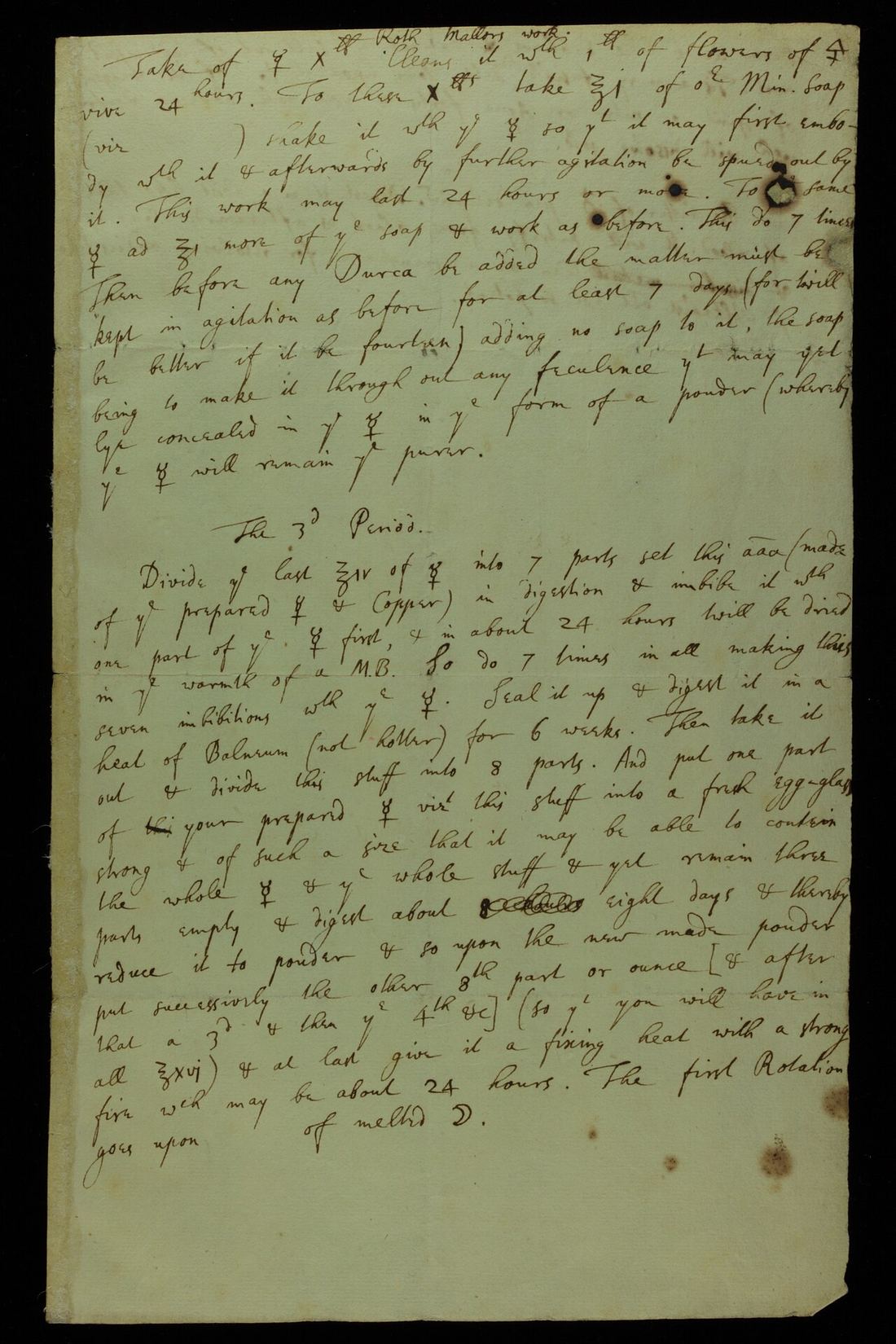
Isaac Newton wrote more on alchemy and theology than on physics. The manuscripts were bought by John Maynard Keynes at auction in 1936, who described Newton not as the first of the scientists but as the last of the magicians.
John Dee — mathematician and adviser to Elizabeth I; the Enochian system with Edward Kelley.
Hermetic Order of the Golden Dawn (1888) — Mathers, Westcott, and W.B. Yeats among the members.
Aleister Crowley, Thelema, Liber AL vel Legis (1904). Theosophical Society (1875) and Steiner's Anthroposophy.
Jack Parsons — co-founder of the Jet Propulsion Laboratory, pioneer of solid rocket fuel, and a practising Thelemic occultist. He has a lunar crater named after him.
Malleus Maleficarum (1487) and the witch hunts. Correcting the numbers myth: current historiography speaks of tens of thousands of executions across centuries, not millions.
Wicca. Gerald Gardner (1954); Margaret Murray's thesis that an organized pagan cult survived was rejected by historiography.
Spiritualism ≠ Spiritism. Two distinct movements that popular reading collapses. Spiritualism is Anglo, born with the Fox sisters in 1848 and organized around mediumship of physical effects — rappings, materializations, table-turning séances. Spiritism is French, codified by Allan Kardec in 1857 as a doctrine with a declared scientific pretension, with reincarnation, moral evolution and a plurality of inhabited worlds. Conflating them muddles the reading of the Brazilian archive (OCC-08), which is Kardecist, not Foxian.
Society for Psychical Research (SPR, 1882). Founded in London by Cambridge academics — Henry Sidgwick, Frederic Myers, Edmund Gurney — with the declared aim of investigating spiritualist claims by method. It produced both the Hodgson Report (1885), which dismantled Blavatsky, and decades of honestly inconclusive research. It is the institution that best embodies this archive's thesis: take the claim seriously enough to test it.
last verified: 07/2026
The expanded version of this chapter is part of the full PDF dossier. Coming soon.An absolute competitive advantage. No international portal has this.
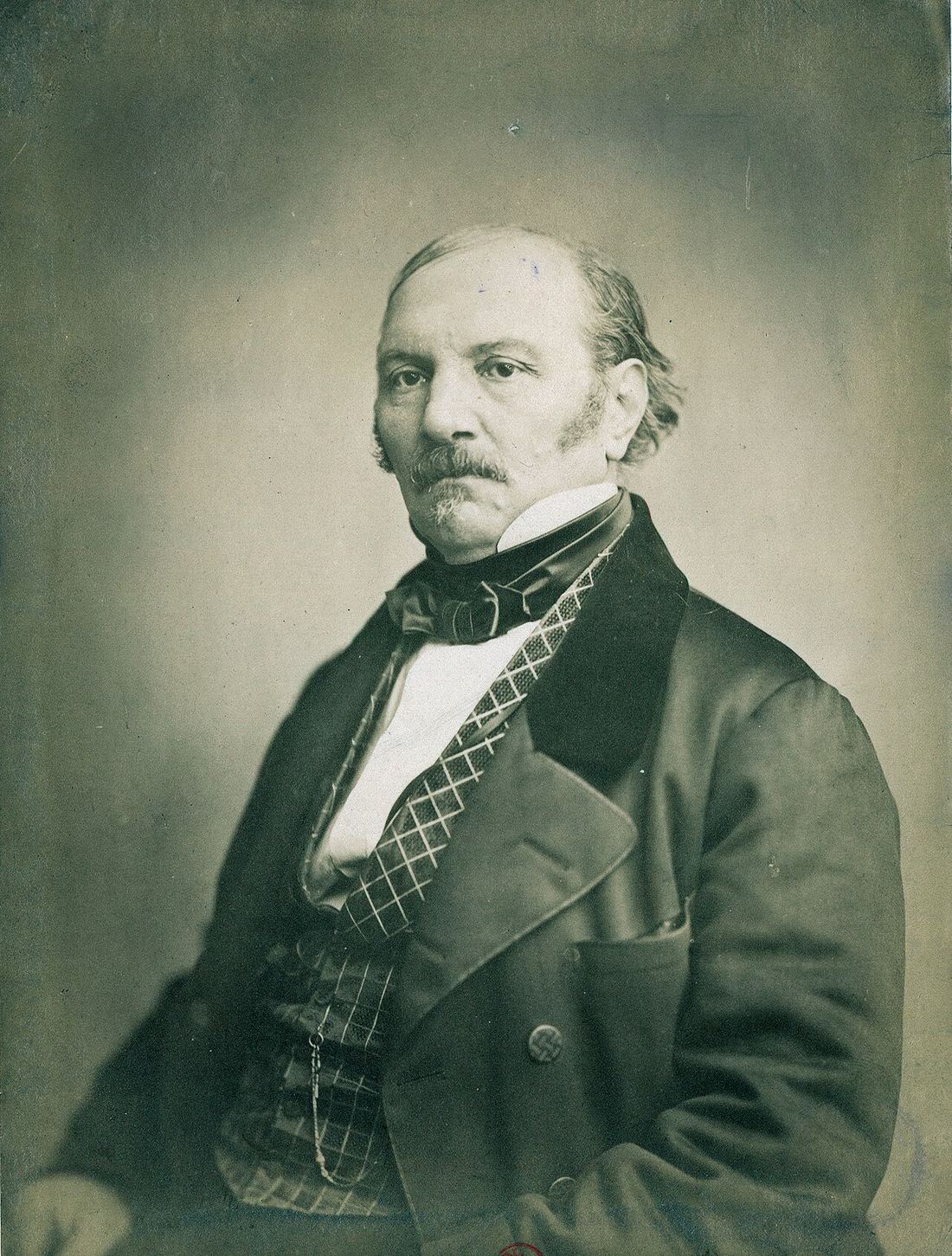
Allan Kardec and The Spirits' Book (1857). The implantation and scale of Spiritism in Brazil, far greater than in any other country.
Chico Xavier and psychographic writing. More than 400 books published, attributed to spiritual authors.
Psychographic letters have been presented and accepted as evidentiary material in jury trials in Brazil, with acquittals in documented cases — notably in Goiás (1979) and Rio Grande do Sul (2006). It is a verifiable legal fact and, as far as is known, has no parallel in any other judicial system in the world.
Umbanda and Candomblé. An anthropological chapter, treated as Afro-Brazilian religions with their own history, structure and legitimacy. They do not belong in the archive of frauds nor in the laboratory. Record too the real history of religious persecution and criminalization in Brazil.
Criminalization of Afro-Brazilian religions. The 1890 republican Penal Code typified, in articles 156, 157 and 158, the practice of medicine without a diploma, “spiritism, magic and their sorceries” and curandeirismo — instruments used throughout the early 20th century to repress Umbanda and Candomblé houses, seize ritual objects and arrest priests and priestesses. It is a documented fact in Brazilian police history, and no international portal records it.
Scale of Spiritism in Brazil. The 2010 IBGE Census recorded 3,848,876 Kardecist Spiritists in the country — around 2% of the population. It is the largest concentration of Kardecism in the world, several orders of magnitude above Kardec's own France. The scale explains why Brazil produced unique jurisprudence on psychographic letters and why Spiritist hospitals operate within the complementary SUS network.
last verified: 07/2026
The expanded version of this chapter is part of the full PDF dossier. Coming soon.A cultural catalogue. Where the occult is fiction, it is some of the finest fiction we have.
Literature. Faust (Goethe, 1808/1832) · The Picture of Dorian Gray (1890) · Dracula (Stoker, 1897) · the Cthulhu Mythos (Lovecraft, 1928–) · Rosemary's Baby (Ira Levin, 1967) · The Exorcist (Blatty, 1971) · The Shining (King, 1977) · The Club Dumas (Pérez-Reverte, 1993) · House of Leaves (Danielewski, 2000) · American Gods (Gaiman, 2001).
Cinema. The Cabinet of Dr. Caligari (1920) · Häxan (1922) · Night of the Demon (1957) · Rosemary's Baby (1968) · The Exorcist (1973) · The Wicker Man (1973) · Suspiria (1977) · The Blair Witch Project (1999) · The Witch (2015) · Hereditary (2018) · Midsommar (2019) · the Conjuring franchise (2013–).
Series. Twin Peaks (1990) · Buffy (1997) · Supernatural (2005–2020) · Penny Dreadful (2014) · The OA (2016) · The Haunting of Hill House (2018) · Midnight Mass (2021).
Animation. Fullmetal Alchemist (2001/2009) — alchemy as a system with laws and cost · Jujutsu Kaisen · Devilman Crybaby · Gravity Falls · Over the Garden Wall · Puella Magi Madoka Magica.
Games. Silent Hill (1999) · Fatal Frame (2001) · Amnesia (2010) · Bloodborne (2015) · Darkest Dungeon (2016) · Control (2019) · Phasmophobia (2020) · Persona series.
last verified: 07/2026
The expanded version of this chapter is part of the full PDF dossier. Coming soon.A Near-Death Experience (NDE) is what some people report after surviving cardiac arrest or deep coma. It is not brain death — brain death, by medical definition, is irreversible. What recent data show is stranger and more interesting: the dying brain does not switch off cleanly.
Clinical death ≠ brain death. Clinical death is the stop of heartbeat and breathing; it can be reversed with CPR within minutes. Brain death is the irreversible cessation of all encephalic function, brainstem included, confirmed by clinical protocol. No one “comes back” from brain death — the people who come back had cardiac arrest, or a deep coma misdiagnosed as something worse.
Physiological signature of RED. AWARE II (Parnia et al., Resuscitation, 2022) recorded continuous EEG during CPR and observed, in ~40% of the monitored subgroup (n=85), brain activity returning to normal or near-normal patterns up to 60 minutes past flatline, with gamma, delta, theta, alpha and beta peaks — under marked cerebral ischemia (mean rSO₂ 43%). It is the strongest physiological data yet on the brain during arrest.
Gamma surge in the dying brain. Borjigin et al., PNAS (2013), documented a highly synchronized gamma surge in rats during the 30 seconds after cardiac arrest. In 2023, the same group (Xu et al., PNAS) recorded, in 2 of 4 dying human patients, gamma peaks and coupling with regions tied to conscious processing. It is a neural correlate, not proof of experience — but it is replicable.
“People with brain death who came back.” A common search in Portuguese; the famous circulating cases (Zack Dunlap, Val Thomas, Colleen Burns) are misdiagnoses or incomplete application of the brain-death protocol — not reversal of it. No case has passed independent medical review confirming AAN-criterion brain death prior to return.
The content of RED. Recalled Experience of Death, the category proposed by AWARE II, groups reports with a stable structure: life review with moral self-assessment, sense of separation from the body, perception of destination, and return. Stable does not mean veridical — it means the brain in resuscitation appears to generate a recurring narrative.
Veridical out-of-body perception. Blinded tests with hidden audiovisual stimuli were designed precisely to check whether patients correctly reported something they could only have seen “from outside.” In AWARE II, the result was negative: 0/28 for the hidden image, 1/28 (3.5%) for the audio. Without positive controlled replication, there is no evidence of out-of-body perception.
The popular confusion collapses two distinct things: those who “come back” had cardiac arrest, not brain death. And that is precisely where — in the minutes between arrest and resuscitation — the physiological data get interesting. The dying brain emits one last organized burst of activity. We do not yet know whether that is the experience, a byproduct of it, or coincidence. Saying so is the most honest part of the archive.
last verified: 07/2026
The expanded version of this chapter is part of the full PDF dossier. Coming soon.Method, sources and the dossier. Everything here is free and will remain free. The PDF dossier is depth, not a paywall.
Editorial method. Zero invention. A reference for every claim. A mandatory seal on every item. Never ridicule the person reporting. Mandatory distinction between living religion and occultism. Full PT-BR / EN parity.
Bibliography. Each section lists its primary sources as Author(s) (Year). Title. Journal. DOI. Absolute dates, never “recently”.
last verified: 07/2026
The expanded version of this chapter is part of the full PDF dossier. Coming soon.The dossier is the expanded, annotated version of every free chapter on this site, with a broader source apparatus, exclusive chapters and bonus material, in PT-BR and EN. The site content is and will remain free — the dossier is depth, not a paywall.
It means only hidden. Nothing more. No supernatural charge, no promise of power — merely the observation that something is out of sight. It is the root of occult and of to occult, and in astronomy an occultation is simply one body passing in front of another. The esoteric sense is a late layer, stacked centuries afterwards onto a word that described position, not mystery. This archive works in the original sense: what is hidden, and why. Sometimes by chance. Sometimes on purpose. Almost never by magic.
This dossier was produced through a hybrid research and writing process. Editorial direction, source selection, structural decisions, content curation and factual review were carried out by Tarcísio Rupel. Artificial intelligence tools — Claude (Anthropic), ChatGPT (OpenAI) and Lovable — were used as assistants for drafting, summarising primary sources, formatting and layout. All factual claims were verified against the primary sources listed throughout the text. No data, quotation or reference was accepted without verification in a peer-reviewed publication, official document or primary archive.